Root Canal Treatment
Understanding Root Canal Treatment
Root Canal Treatment, also known as endodontic treatment, is a dental procedure designed to save a natural tooth that has become severely infected or decayed. Inside every tooth, beneath the enamel and dentin, is a soft tissue called the pulp, which contains nerves, blood vessels, and connective tissue. When this pulp becomes inflamed or infected due to deep cavities, cracks, or facial trauma, it can cause intense pain or lead to a dental abscess. Root Canal Treatment involves removing the diseased pulp to eliminate the infection and prevent the need for a full tooth extraction.
How Root Canal Treatment is Treated
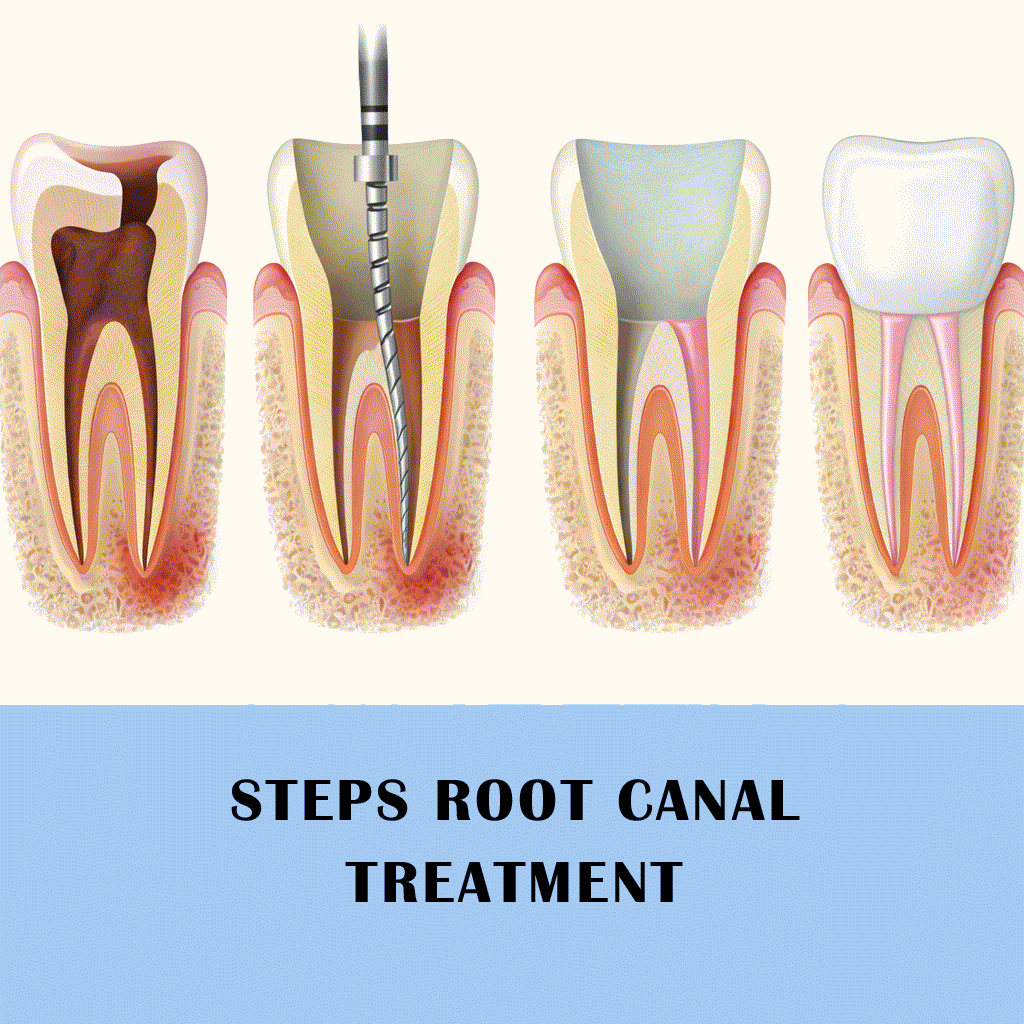
Despite its reputation, modern root canal treatment is a routine and relatively painless process that typically takes one to two visits:
Preparation & Numbing: The dentist administers a local anesthetic to ensure you feel no pain. A small protective sheet called a dental dam is placed around the tooth to keep it dry and isolated from saliva.
Access & Cleaning: A small opening is made in the crown (top) of the tooth. Using specialized miniature instruments, the dentist removes the infected or dead pulp from the pulp chamber and the narrow root canals.
Disinfection & Shaping: The empty canals are thoroughly cleaned, disinfected with antibacterial solutions, and shaped to prepare them for the filling material.
Sealing: The canals are filled with a biocompatible, rubber-like material called gutta-percha, which is sealed into place with adhesive cement to prevent future bacteria from entering.
Restoration: Because a tooth without pulp can become brittle over time, the final step usually involves placing a dental crown over the tooth. This restores its strength, appearance, and full functional capacity.